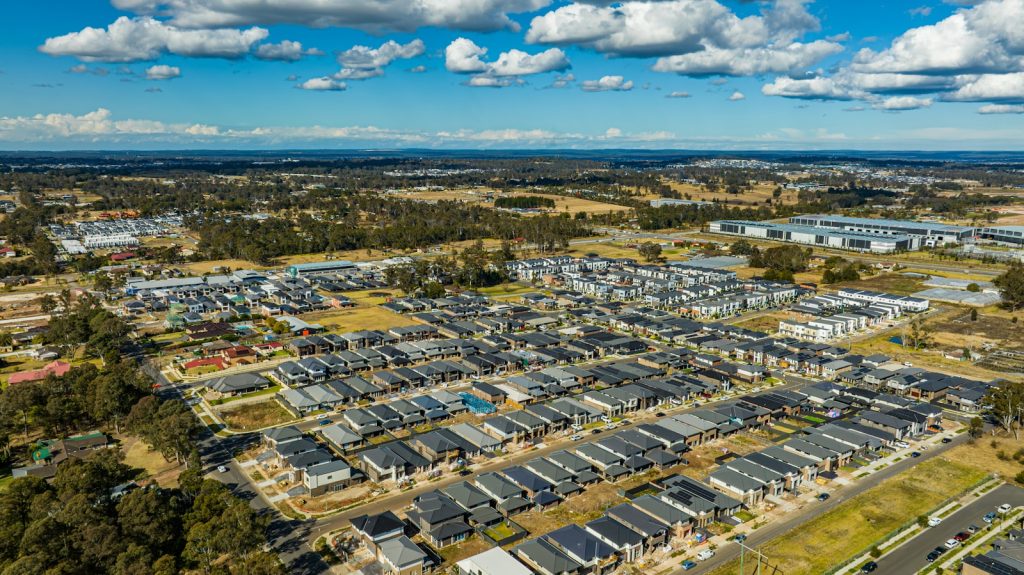
“Why Indonesians seek medical treatment abroad” is largely answered by three measurable gaps at home: perceived quality, trust, and timely access to specific services. KEK Sanur in Bali is a national attempt to close those gaps so fewer Indonesians feel they must berobat ke luar negeri for serious diagnoses or second opinions.
Why Indonesians Seek Medical Treatment Abroad: The Policy View
The phrase “why Indonesians seek medical treatment abroad” is now a formal policy problem, not just a private family decision. Indonesia’s outbound medical tourism — mostly to Malaysia and Singapore, but also Thailand, Japan and beyond — represents:
- A large annual spend overseas on health services.
- Untapped demand for higher-value care inside Indonesia.
- Lost opportunities to develop specialist skills and facilities at home.
Different ministries and consulting firms quote different figures for medical tourism outflow Indonesia. Public statements in recent years have consistently framed the number in the range of more than USD 6 billion per year spent overseas by Indonesians on healthcare — a figure that should be treated as indicative, not audited. Definitions vary (for example, whether cosmetic procedures or attached hospitality costs are counted), and no single public dataset fully tracks Indonesians’ treatment spend in Malaysia or Singapore.
What is clearer is the policy target. The government has stated an ambition to “repatriate” around 4–8% of Indonesians who now seek treatment abroad by 2030. In patient terms, that is roughly 123,000–240,000 patients per year who, by 2030, are expected to choose Indonesian facilities instead of flying overseas for at least some forms of care. The planned developments in the Sanur Health Special Economic Zone (Kawasan Ekonomi Khusus Kesehatan Sanur / KEK Kesehatan Sanur) — including the Bali International Hospital project — are directly tied to this target.
What Is KEK Sanur and How Does It Fit In?
KEK Sanur is a nationally designated Health Special Economic Zone located in Sanur, Denpasar, Bali. It is legally anchored in a series of regulations and decrees that define its land area, governance and incentive framework. The core policy idea: concentrate health, wellness, research, and supporting tourism services in a single, incentive-backed precinct to make Indonesia competitive with regional medical hubs such as Penang, Johor Bahru and Singapore.
The Sanur KEK masterplan covers:
- A major new hospital complex (Bali International Hospital) targeting cardiac care, oncology, neurology and other specialties.
- Integrated wellness, rehabilitation, and eldercare/retirement facilities.
- Supporting accommodation, MICE (meetings, incentives, conferences, exhibitions) and related health-tourism infrastructure.
KEK Sanur Intelligence, the publisher of this piece, tracks a strict distinction between announced projects and operational services. Some facilities within the KEK remain under development or in phased launch; others (for example, existing hotels within the precinct) are already operating under standard tourism regulations while transitioning into the health SEZ framework. Any reference here to specific services is framed at high level because operational status is changing quarter by quarter.
For Indonesian decision-makers, the core question is straightforward: if hundreds of thousands of Indonesians currently choose Malaysia or Singapore for care, can a Bali-based health SEZ materially change that behaviour by 2030?
Main Reasons Indonesians Go to Malaysia, Singapore and Beyond
Interviews, surveys and government briefing materials paint a broadly consistent picture of why many Indonesians travel abroad for treatment — especially middle- and upper-income households from Jakarta, Surabaya, Medan, Pekanbaru and other large cities.
1. Trust in Quality and Consistency
For complex conditions (cancer, heart disease, neurology, fertility, complicated orthopaedics), many patients report a stronger sense of “certainty” in Malaysia and Singapore. That has several layers:
- Perceived better diagnostics: Patients believe overseas hospitals will run more comprehensive tests earlier, and interpret them more consistently.
- Structured clinical pathways: Clear, step-by-step treatment plans with estimated timelines and costs, especially for oncology and cardiac cases.
- Brand reputation: Names of Singapore and Malaysian hospitals have been repeatedly circulated in Indonesian families for two decades, creating a default trust cycle.
2. Access to Subspecialists and Technology
The concentration of subspecialists in Singapore (for example, interventional cardiology, paediatric oncology, complex spine surgery) and in Malaysian hubs such as Penang and Kuala Lumpur makes it easier for Indonesians to find “the right doctor” for a rare or advanced condition with one flight.
Even where the same technology exists in Indonesia, patients often assume:
- More experienced teams operate those machines overseas.
- Newer treatment protocols are adopted faster in Singapore and Malaysia.
3. Perception of Better Service and Communication
Stories that circulate in WhatsApp groups matter. Common themes in patient narratives about care in Malaysia/Singapore include:
- More time with the doctor per consultation.
- Clearer explanations in layperson terms.
- Structured appointment systems and shorter waiting times.
- “Joined-up” coordination between diagnostics, pharmacy, surgery and follow-up.
These are not always objectively measured, but they influence decisions as much as clinical outcomes.
4. Predictability of Costs
Many Indonesians who have the means to travel say they prefer:
- Upfront package pricing for procedures such as angioplasty or knee replacement.
- Quoted ranges for cancer treatment cycles, with line items for tests, drugs, and hospital stay.
- Clear refund and cancellation rules.
While cost levels in Singapore are usually higher than in Indonesia, the perception of fewer “surprise bills” and clearer financial consent remains a major draw.
5. Privacy and Status
For some patients — particularly public figures and business owners — going abroad provides:
- Greater perceived privacy around diagnoses.
- A status signal: being able to afford care in Singapore or a well-known Malaysian hospital.
This is the least discussed in official documents, but widely acknowledged in private discussions.
Push–Pull Factors: Indonesia vs Malaysia/Singapore
The decision to berobat ke luar negeri is shaped by “push” factors (what drives people away from domestic care) and “pull” factors (what attracts them overseas). KEK Sanur is designed to reduce the push factors and replicate or surpass the pull factors where possible.
| Factor | Push from Domestic System (Today) | Pull to Malaysia/Singapore | What KEK Sanur Aims to Change |
|---|---|---|---|
| Clinical trust | Uneven quality perceptions across regions; fears of misdiagnosis | Reputation for consistent guidelines and multidisciplinary teams | Concentrate top-tier teams and protocols in one Bali precinct |
| Subspecialist access | Hard to find certain subspecialists outside Jakarta/Surabaya | High density of subspecialists in Penang, Singapore, KL | Attract returning Indonesian specialists and partners into KEK |
| Waiting times | Perceived long queues in busy public and some private hospitals | Structured appointment systems and “medical tourist” lanes | Design for scheduled international and domestic patient flows |
| Cost transparency | Fragmented quotes, variable add-ons | Package prices and published ranges | Publish clear indicative ranges and bundled services in KEK |
| Language / communication | Limited non-Bahasa support in some facilities | English, Mandarin, Bahasa Indonesia used routinely | Build multilingual support as baseline in Bali hub |
| Travel experience | Domestic referrals scatter patients across cities | “One trip, one city” for diagnosis + treatment | Offer combined care + accommodation in single Sanur zone |
Can a Health SEZ Realistically Change Outbound Patterns?
SEZs are not magic. A new zoning status in Sanur does not automatically persuade an oncologist in Bandung to cancel plans to refer a patient to Singapore. For KEK Sanur to alter Indonesia’s outbound medical tourism, several conditions must be met over the rest of this decade.
1. Real Clinical Performance, Not Just Buildings
Patients and referring doctors will benchmark KEK Sanur facilities not against the average Indonesian hospital, but against their current overseas choices. That means:
- Measured outcomes in high-stakes areas like cardiac surgery mortality, complication rates, and cancer survival as data becomes available.
- International accreditation for key facilities inside the zone once they are fully operational.
- Transparent clinical pathways for complex procedures, shared clearly in Bahasa Indonesia and English.
Buildings and hotel-grade interiors matter less than consistent, audited clinical quality in attracting patients who currently prioritise Singapore or Penang.
2. Competitive Service Design for Indonesians First
Many outbound patients from Indonesia are not “medical tourists” in the spa-and-shopping sense; they are families in medical crisis plotting the least-bad option. KEK Sanur’s design needs to respond to those realities:
- Domestic-friendly financing options (including integration with BPJS and private insurance where applicable).
- Reasonable travel logistics from major Indonesian cities to Bali, including support for medical evacuation where needed.
- Accommodation options at different price points for accompanying family, not only premium-segment rooms.
The primary near-term recapture opportunity is Indonesians already thinking of berobat ke luar negeri, not foreign tourists shopping for wellness packages.
3. Trust of Indonesian Doctors and Insurers
In many outbound journeys, the most influential decision-maker is the first doctor — often in Jakarta, Surabaya, Medan, Makassar, or smaller cities — who tells a family: “I recommend you get a second opinion in Singapore / Penang.”
KEK Sanur’s success hinges on:
- Convincing these doctors that a Sanur referral is clinically sound and reputationally safe.
- Integrating referral pathways (including teleconsults) between home-city doctors and KEK-based specialists.
- Aligning Indonesian insurers so coverage for KEK Sanur is at least as straightforward as for overseas hospitals.
4. Transparent Pricing and Outcomes Data
A frequent question from policy analysts is: “Will Sanur just become another high-end private enclave?” Transparency is the main antidote to that concern.
For KEK Sanur to materially reduce medical tourism outflow Indonesia, data that typically sits behind marketing materials in the region needs to be brought forward:
- Indicative price ranges for common procedures, regularly updated and clearly dated.
- Non-personalised outcome statistics and complication rates as they accumulate.
- Clear pathways for second opinions and record transfers.
KEK Sanur Intelligence’s own editorial policy is to date every figure and label every range, and to separate what is already operating from what is under construction or still in the approvals pipeline.
If you are considering Sanur as an alternative to Malaysia or Singapore for specific treatment, you can plan your trip with our research team; we can share WhatsApp contact options for practical planning and updated operational status of facilities as they go live.
Which Patients Might Switch from Overseas to Sanur?
Not every Indonesian who currently travels abroad will change behaviour, even if KEK Sanur meets its design goals. Realistically, the most likely early adopters fall into several categories.
1. “Borderline” Overseas Patients
These are families who would prefer to stay in Indonesia but feel forced overseas due to:
- Lack of trust in their local options for a specific condition.
- Inability to get a clear treatment plan in their home city.
- Pressure from family networks that “serious” diseases must be treated abroad.
If KEK Sanur can offer credible second opinions, mapped-out care plans, and cost clarity, this cohort is the natural base for the 4–8% recapture target.
2. Repeat Overseas Patients Seeking Follow-up Closer to Home
Someone who has already had surgery in Singapore or Penang may be open to:
- Post-operative rehabilitation in Bali.
- Longer-term oncology follow-up or imaging in Sanur, with results shared back to foreign specialists.
This does not “fully” repatriate spending but can shift part of the care journey back into Indonesia.
3. Retirees and Long-Stay Patients
Sanur’s positioning is not just acute hospital care; it covers wellness, longevity and retirement services. For older Indonesians and regional retirees who might otherwise consider ageing in Malaysia or Thailand, the combination of:
- Stable Bali-based specialist access.
- Integrated eldercare and assisted-living options.
- Proximity to family in Java and other islands.
may change long-term location decisions for chronic disease management and later-life care.
Limitations and Open Questions
A candid assessment requires recognising what KEK Sanur alone cannot do.
1. It Cannot Fix Nationwide Health Workforce Distribution
Indonesia’s underlying challenge includes uneven distribution of doctors, nurses and allied health professionals across a vast archipelago. Concentrating talent in Sanur could even increase perceived gaps in other regions if not matched by broader investments.
2. It Will Not Eliminate High-End Demand for “Brand Name” Hospitals
A segment of Indonesia’s wealthiest patients will likely continue to prefer well-known hospitals in Singapore or further afield, for reasons of habit, status, or access to ultra-rare treatments and clinical trials not yet available domestically. The policy goal of a 4–8% recapture by 2030 implicitly recognises this.
3. Regulatory and Operational Risk
SEZs require sustained regulatory clarity and operational execution to maintain investor and patient confidence. Shifts in policy, delays in infrastructure, or governance issues could slow the build-out of KEK Sanur’s full service mix.
For potential patients, that translates to a practical rule: always check which specific services are operational at the time you plan care, and treat long-term masterplans as indicative, not guaranteed timelines.
How Patients Can Evaluate Sanur vs Overseas Options
For families trying to decide between Indonesia outbound medical tourism and emerging domestic options such as KEK Sanur, a structured comparison can help.
- Diagnosis clarity
- Do you have a confirmed diagnosis from at least one Indonesian specialist, and what level of confidence do they express?
- Treatment urgency
- How time-sensitive is your condition? Can you safely spend weeks comparing options, or do you need a decision within days?
- Financial framework
- Which options are covered by BPJS or private insurance, and what are your out-of-pocket scenarios for Bali, Malaysia, Singapore?
- Support system
- Where can your immediate family most easily be present — Bali, Penang, Singapore or your home city?
- Continuity of care
- How will long-term follow-up be managed if surgery or intensive treatment happens in a different country?
As KEK Sanur’s hospital and supporting facilities move from announcement to day-to-day operations, patients will increasingly be able to weigh Sanur directly in this framework — alongside Malaysia, Singapore and Jakarta-based centres.
If you need structured help working through that comparison for a Sanur-focused pathway, you can plan your trip with support via email or WhatsApp; our role is informational, and no one can pay to change what we publish.
What Success Would Look Like by 2030
By 2030, if KEK Sanur’s underlying policy logic works, several measurable shifts should be visible:
- A documented annual flow of at least 123,000–240,000 patients choosing KEK Sanur or other upgraded Indonesian centres over overseas options for major episodes of care.
- Published clinical outcomes from Sanur-based facilities that are competitive with, or converging on, those in regional hubs for key conditions.
- Growing use of Bali as a hub for combined care and recovery — not just for foreigners, but for Indonesians from multiple provinces.
- Evidence that Indonesian doctors, not only patients, view Sanur as a credible alternative referral endpoint to Penang or Singapore.
These are ambitious but bounded goals. They do not require eliminating outbound treatment, only cutting a visible slice of it — and, crucially, building Indonesian capacity along the way.
How many Indonesians go abroad for medical treatment each year?
Different sources quote different numbers, but policy discussions regularly refer to hundreds of thousands of Indonesians travelling annually to Malaysia, Singapore and other destinations for care. Because there is no single public database tracking all cross-border patient flows and all types of treatment, any precise annual figure should be treated as an estimate, not a census.
Is KEK Sanur already fully operational as a medical tourism hub?
No. KEK Sanur is a designated Health Special Economic Zone with a mix of operational tourism assets and health projects at various stages of development. Some components, including the flagship hospital complex, are in phased launch rather than mature, stable operation. Patients should always verify which specific services are available at the time they plan treatment.
Will treatment at KEK Sanur be cheaper than in Malaysia or Singapore?
For many procedures, treatment in Indonesia can be less expensive than in Singapore and roughly comparable to parts of Malaysia, but detailed price ranges for KEK Sanur’s facilities will only become clear as services go fully live. The explicit policy direction is towards clearer, more predictable pricing, but individual quotes will depend on diagnosis, length of stay, and insurance coverage.
Can BPJS be used in KEK Sanur?
BPJS coverage is determined by national regulations and specific agreements with individual facilities. The goal is to integrate public and private financing where possible, but BPJS use for specific services inside KEK Sanur will depend on each facility’s accreditation and contracts at the time of care. Patients should confirm directly with the hospital and BPJS office before planning treatment.
How can I plan a treatment pathway in Sanur instead of going abroad?
The practical steps mirror planning for Malaysia or Singapore: obtain your full medical records and imaging, secure at least one Indonesian specialist opinion, request preliminary assessments and quotes from Sanur-based facilities, and compare timelines, costs and logistics. If you want structured support focused on KEK Sanur options, you can plan your trip and request coordination via WhatsApp for document handling and up-to-date information on which services are active.