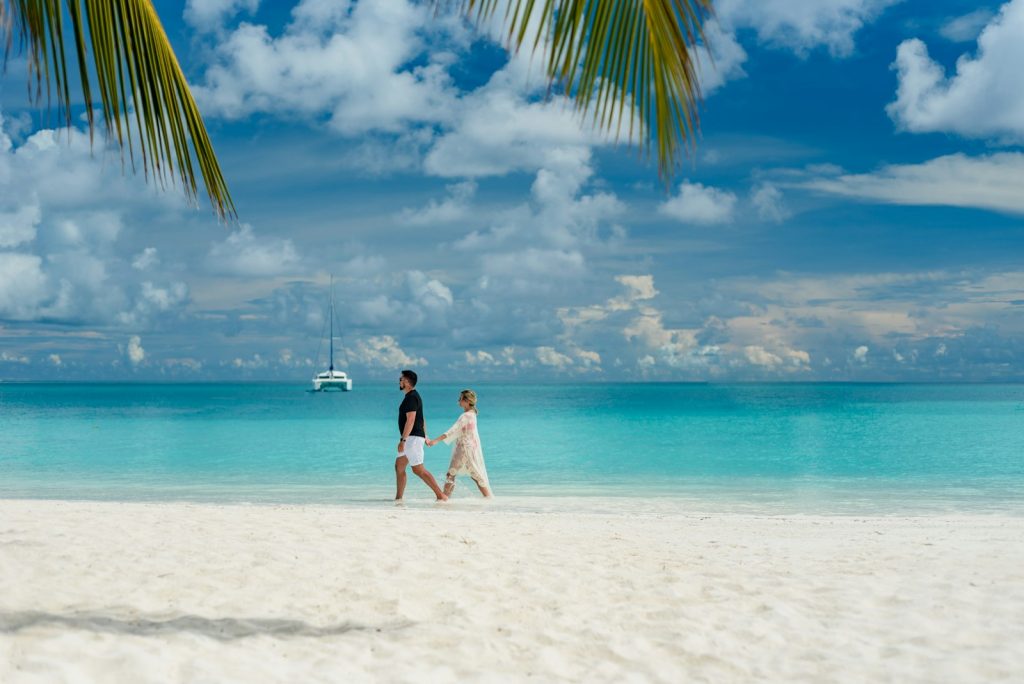
Retire in Sanur Bali means long-stay living in an established beach suburb that now sits beside Indonesia’s flagship Health Special Economic Zone. Practically, it is about combining a calm, walkable neighbourhood, Bali International Hospital access, and Indonesia’s evolving retirement and second-home rules into a workable, legal life plan.
Why Sanur for Retirement and Long-Stay Living?
Sanur is an older, lower-rise coastal suburb on Bali’s south‑east coast, about 25–30 minutes by car from Ngurah Rai International Airport in normal traffic. Historically it has been the “family and mature couple” beach strip: gentler surf, a flat seafront path, and earlier nights than Kuta, Seminyak or Canggu.
Today it also borders the Sanur Health Special Economic Zone (Kawasan Ekonomi Khusus Kesehatan Sanur / KEK Kesehatan Sanur), anchored by Bali International Hospital (BIH), which began phased operations in 2024. That shifts Sanur from a purely leisure and expatriate area into a healthcare‑adjacent long‑stay option.
Key reasons retirees and long‑stay medical visitors look at Sanur:
– **Health access:** Walking or short-drive distance to BIH for cardiology, oncology and other tertiary-care services as they ramp up, plus existing local clinics for primary care.
– **Pace and layout:** A long beachfront promenade, relatively flat terrain, and compact streets that favour walking and cycling.
– **Airport connection:** Shorter, less congested access to Bali’s only international airport compared with many other areas.
– **Established services:** Long‑running hotels, villas, and restaurants that already serve older and family travellers, not just nightlife crowds.
Sanur is not a retirement visa, not a formal “retirement village,” and not a care home. It is a neighbourhood that now borders a health SEZ, in a country where visas and healthcare financing are still evolving. Any plan to retire in Bali Sanur must account for that.
Sanur’s Health SEZ and Bali International Hospital
What the Sanur Health SEZ Actually Is
The Sanur Health SEZ is a 41.26‑hectare special economic zone established by Indonesian Government Regulation (Peraturan Pemerintah) No. 41 of 2021, later adjusted in 2023. It repurposes the old Grand Inna Bali Beach hotel complex and surrounding state‑owned land into a cluster for:
– International‑standard hospital services
– Medical tourism (elective procedures, check‑ups)
– Wellness, fitness and recovery facilities
– MICE (meetings, incentives, conferences, exhibitions)
– Hotels and supporting commercial areas
For retirees, the SEZ is relevant because it concentrates healthcare and allied services in one walkable area at the north of Sanur’s beachfront, around the old Bali Beach Tower landmark. But legally, the SEZ does **not** create its own residency class. Long‑stay visas and permanent residency remain national‑level decisions, separate from KEK rules.
Bali International Hospital: State of Play
Bali International Hospital is operated by PT Pertamina Bina Medika IHC (Indonesia Healthcare Corporation), a state‑owned hospital group. The project was publicly budgeted at around IDR 1.7–1.9 trillion in investment. Construction began in 2022; phased opening started in 2024, with services ramping through 2025–2026.
Core facts (from public statements and KEK documents, last cross‑checked June 2026):
– **Beds:** Planned capacity ~250 beds on full operation.
– **Key service lines (planned):** cardiology, neurology, oncology, orthopaedics, digestive surgery, medical check‑up centre, rehabilitation and sports medicine.
– **Target market:** Indonesian middle‑upper class and international patients who currently often go to Singapore, Malaysia or Thailand.
For a Sanur retirement plan, BIH matters for:
– **Elective care:** knee/hip replacements, cardiology monitoring, cancer care without leaving Bali.
– **Serious acute episodes:** heart attack, stroke, major trauma care closer than flying to Singapore.
– **Diagnostics:** imaging and lab services at a level above small local clinics.
BIH is still in ramp‑up. Not every sub‑specialty, device, or international accreditation (e.g. JCI) is in place yet as of mid‑2026. Any medical‑dependent retiree should verify:
– Which specialties and procedures are already operating.
– How BIH interacts with your international insurer.
– Evacuation options and links to Jakarta/Singapore if a procedure exceeds local capacity.
KEK Sanur Intelligence tracks BIH’s operational progress in detail on our dedicated hospital page; for a procedure‑specific assessment, plan your trip and ask our team via email or WhatsApp to verify current capability.
Sanur vs Other Bali Areas for Retirement
Sanur is often compared to Ubud, Canggu, and Jimbaran/Uluwatu for long stays. For retirees and long‑stay medical visitors, the trade‑offs are practical.
| Factor | Sanur | Ubud | Canggu / Berawa | Jimbaran / Uluwatu |
|---|---|---|---|---|
| Distance to airport (typical road time) | ~25–30 minutes | ~60–90 minutes | ~45–75 minutes | ~25–45 minutes |
| Beach & walking terrain | Flat beachfront path, calm sea | No beach, hilly, steps | Surf beaches, some paths, traffic | Hillside, cliffs, steps to beach |
| Proximity to tertiary hospital | Direct to BIH in KEK Sanur | ~45–75 min to Denpasar/Sanur | ~45–75 min to Denpasar/Sanur | ~45–60 min to Denpasar |
| Noise & nightlife | Quieter, family-oriented | Quiet at night, traffic on main roads | Noisy in parts, late-night venues | Mixed; quieter pockets |
| Established expat retiree presence | Yes, long-standing | Yes, more arts/wellness focused | Yes, but younger demographic | Moderate, more villas/hotels |
| Access to public green/walk spaces | Beach path, local parks | Rice fields, few pavements | Limited pavements, beach areas | Beachfront and clifftop walks |
For older adults with mobility concerns or needing frequent hospital check‑ups, Sanur is currently the most balanced option in Bali in terms of flat terrain, hospital access, and airport connectivity.
Long-Stay and Retirement Visas: How They Interact With Sanur
Visa Reality: SEZ vs National Rules
Retiring in Sanur Bali does **not** mean you automatically qualify for a special “Sanur retirement visa.” Indonesia’s immigration framework is national, under the Directorate General of Immigration (Ditjen Imigrasi). The Sanur Health SEZ provides investment and tax incentives to companies in the zone, not residency shortcuts for individuals.
Key point: **Living in or beside the SEZ does not change your visa status.** Staying legally long‑term still relies on standard Indonesian visas.
This page is explanatory, not immigration advice. Rules change frequently; you must verify current details with Indonesian Immigration or a reputable licensed visa agent.
Main Long-Stay Options Relevant to Sanur
As of the most recent regulations up to June 2026, long‑stay foreigners in Bali typically use:
– **Retirement stay permits (KITAS Lansia)** – for those above a certain age threshold (historically 55+), with income and insurance requirements, and restrictions on working.
– **Second‑home visa / KITAS** – introduced by the end of 2022 as an option for financially strong individuals (with minimum bank balance or property investment), not age‑limited.
– **Investor and work KITAS** – for those investing in or working with Indonesian companies.
– **Long-stay visit visas (multiple‑entry)** – for those not yet eligible or not ready to commit to a full retirement or second‑home structure.
Each comes with:
– Minimum financial thresholds (income, bank balance, or investment).
– Health insurance requirements.
– Limitations on work and business activities.
Sanur is compatible with all of these: you can live in Sanur on any valid long‑stay basis as long as your permit allows residence in Indonesia. But the permits themselves are not issued “by Sanur.”
For context on current second‑home and retirement options, see our Bali second‑home and visa overview (linked from our main KEK Sanur context pages), and then confirm the specifics via your own legal advisor.
Health Care for Retirees in Sanur
Care Tiers Available in and Around Sanur
Health care access for Sanur retirement and long‑stay medical visitors can be thought of in tiers:
1. **Primary care and urgent care**
– Local GP clinics, small hospitals, and 24‑hour clinics in Sanur and Denpasar.
– Services: routine consultations, basic diagnostics, minor emergencies, some chronic disease management.
2. **Specialist and elective tertiary care**
– Bali International Hospital in KEK Sanur, plus several established hospitals in Denpasar (outside the SEZ).
– Services: cardiology, orthopaedics, neurology, oncology, surgery, imaging.
3. **Ultra‑specialised and complex procedures**
– May still require referral to Jakarta, Surabaya or overseas (Singapore, Kuala Lumpur, Bangkok, Australia) depending on subspecialty and device availability.
For retirement health care Bali is improving, but it is not yet a fully complete substitute for all procedures available in major OECD medical hubs. BIH is meant to close part of the gap, particularly for services Indonesians currently buy in Singapore and Malaysia.
Medical Costs: How to Think About Them
By regional standards, Bali’s private health care is usually cheaper than Singapore or Australia, but typically more expensive than public options in some neighbouring countries. Precise prices vary by hospital, doctor seniority, insurance status and procedure complexity.
Indicative pointers (last verified June 2026; **always confirm current quotes directly with providers**):
– **Basic GP consultation (private clinic in Sanur):**
– Rough range: IDR 150,000–500,000 per visit.
– **Specialist consultation in Denpasar/Bali hospitals:**
– Rough range: IDR 300,000–1,000,000 per visit.
– **Imaging (e.g. ultrasound, basic X‑ray):**
– Usually in the low to mid millions of rupiah, depending on hospital and complexity.
– **Major surgeries and oncology:**
– Very wide range; into tens or hundreds of millions of rupiah. For these, you need formal written estimates.
BIH aims to compete with regional hubs, not undercut local clinics. That means high‑end equipment, experienced specialists, and pricing likely closer to upper Indonesian private hospital levels. For retirees, this makes international health insurance or robust self‑funding essential.
Insurance and Payment Reality
Foreign retirees and long‑stay visitors typically cannot rely on Indonesia’s national health insurance scheme (BPJS Kesehatan). They instead use:
– International private medical insurance plans with South‑East Asia coverage; or
– National plans from their home countries that reimburse overseas care; or
– Self‑pay (out‑of‑pocket) with emergency evacuation cover.
Before planning to retire in Bali Sanur:
– Confirm whether your insurer:
– Covers care in Bali and Indonesia.
– Treats BIH and other Denpasar hospitals as in‑network.
– Requires pre‑approval for elective surgery.
– Check evacuation coverage:
– Ground/air transfer from Bali to Jakarta or Singapore in major emergencies.
– Ask BIH about direct billing relationships with your insurer once BIH publishes them.
Living Conditions in Sanur for Retirees
Neighbourhood Layout and Mobility
Sanur’s built environment is relatively supportive for older adults:
– **Flat coastal strip:**
The main tourist and expatriate area runs parallel to the beach, largely flat, reducing strain on knees/hips.
– **Beachfront path:**
A long, shared path along the seafront supports walking, mobility scooters and cycling. Surfaces are mixed but generally manageable.
– **Street traffic:**
Inland streets can still be busy, especially on the bypass (Jalan Bypass Ngurah Rai). Careful crossing is essential; pedestrian infrastructure is improving but incomplete.
For those planning long stay medical Sanur arrangements (e.g. staying several months for treatment):
– Choose accommodation with elevator access or limited stairs if mobility is an issue.
– Check distance and transport options to BIH or your chosen hospital.
– Consider backup power arrangements (genset) in your building for lifts and air‑conditioning during outages.
Housing Options: From Short Stay to Long Lease
Sanur offers:
– **Hotels and serviced apartments:**
From mid‑range to higher‑end beachfront properties. Useful for:
– Short‑term recovery stays after treatment.
– Trial periods before committing to a lease.
– **Private villas and houses (leased):**
– Year‑by‑year leases are common; longer leaseholds exist but must be structured carefully under Indonesian property law.
– Some villas are designed or marketed informally for sanur retirement or wellness–oriented living: single‑storey, ground‑floor bedrooms, private pools.
– **Condominiums / apartment units:**
– Limited in number compared with other Asian cities but growing, especially near the SEZ’s commercial zones.
Key constraints:
– Foreigners cannot directly own freehold land (Hak Milik) in Indonesia.
– Long‑term “ownership‑like” structures (e.g. Hak Pakai, nominee setups) carry legal and regulatory complexity and risk.
For serious long‑term property commitments, you need:
– A specialised Indonesian legal advisor.
– Clear understanding of your visa type and duration.
– Realistic exit and resale expectations.
Our role is to map the health and location aspects, not to recommend specific property deals.
Cost of Living Overview
Costs depend heavily on lifestyle. For a reasonably comfortable retiree life in Sanur (single or couple) as of June 2026, basic monthly budgets often fall in the following broad bands (excluding international flights and large medical events):
– **Rent (1–2 bedroom house/apartment, non‑beachfront):**
– Very wide range; market listings commonly found in low to mid millions of rupiah per month equivalent when paid annually. Prime villas and seafront units are higher.
– **Utilities (electricity, water, internet) and mobile:**
– Heavily usage‑dependent (air‑conditioning).
– **Groceries and eating out:**
– Local markets and warungs are comparatively affordable; imported goods and restaurant dining increase costs significantly.
We intentionally avoid precise single‑number monthly “cost of living” claims; they age quickly and create false precision. Instead, consider:
– Low‑spend retiree life is possible but implies limited imported goods, modest housing, and local food.
– International lifestyle with imported foods, private drivers and frequent travel will approach mid‑tier city costs.
To sense‑check your budget against actual Sanur prices as you near your move date, you can plan your trip with our team. We can help you map realistic medical and living‑cost scenarios via email or WhatsApp before you commit.
Wellness, Longevity and Lifestyle
Everyday Wellness Infrastructure
Sanur has, for decades, catered to families and older tourists. That legacy supports long‑stay wellness:
– **Walking and cycling:**
The seafront promenade and side streets offer accessible exercise options.
– **Gyms and yoga studios:**
Multiple small and mid‑sized facilities provide:
– Yoga, Pilates and low‑impact fitness.
– Strength training suitable for older adults.
– **Spa and massage services:**
Widely available, from simple local outlets to higher‑end hotel spas.
The Sanur Health SEZ’s masterplan includes:
– A wellness and fitness cluster, adjacent to BIH.
– Facilities for post‑surgical rehabilitation and sports medicine.
As of June 2026, some of these are operational, others are still under development or not yet fully specified publicly. We separate currently operating wellness centres from announced future facilities in our project‑by‑project coverage.
Community and Social Fabric
Sanur’s demographic skew is older than nightlife‑oriented parts of Bali. Expect:
– Long‑standing foreign residents, including retirees from Europe, Australia and Asia.
– Indonesian professionals and families who prefer a quieter area near Denpasar.
– Local Balinese communities with active temple and ceremonial life.
For retirees:
– This can mean more peer‑age neighbours and quieter evenings.
– But also the need to adapt to Balinese cultural rhythms (ceremonies, occasional road closures, sound from temple events).
English is widely used in tourist and expatriate‑facing businesses; Bahasa Indonesia is increasingly helpful for dealing with landlords, local authorities and long‑term neighbours.
Climate Considerations
Bali has a tropical climate with a pronounced wet and dry season. Sanur’s coastal location helps moderate temperatures somewhat compared with inland areas, but humidity remains significant year‑round.
For older adults:
– Air‑conditioning and good ventilation are not luxuries; they are health considerations.
– Hydration, sun protection and awareness of heat stress are important.
– Accommodation choice should consider shading, airflow and backup power.
We do not guarantee specific weather patterns; inter‑annual variation and broader climatic shifts mean that historical averages are only general guides.
Risks, Constraints and Honest Trade-Offs
Retiring in Sanur Bali has clear attractions, but also constraints that should be weighed carefully.
Visa and Policy Risk
– Indonesian visa and stay‑permit policies can, and do, change.
– Income thresholds, age requirements, permitted activities and reporting obligations may shift over the course of a multi‑year retirement.
– Overstaying or misusing a visa can lead to fines, detention and deportation.
Any long‑term sanur retirement plan must include:
– A relationship with a reputable visa agent or immigration lawyer.
– Contingency plans if rules tighten or fees rise.
– Awareness that long‑term “permanence” in a foreign country is policy‑dependent, not guaranteed.
Health System Limitations
Even with BIH’s arrival:
– Not every advanced treatment will be available in Bali.
– Surgeon and specialist depth is thinner than in large urban systems.
– Certain cancer protocols, organ transplants and rare-disease services are likely to remain Jakarta‑ or overseas‑based.
For retirees with complex chronic illnesses:
– Keep a specialist in your home country and share records digitally.
– Understand the referral pathways from Sanur to Jakarta/Singapore.
– Maintain financial capacity for occasional overseas care.
Ageing-in-Place vs Assisted Care
Sanur is not yet a structured “continuum of care” environment (independent living → assisted living → nursing care) on the model of some Western retirement communities.
Current reality:
– Plenty of independent living options for active older adults.
– Ad‑hoc arrangements for in‑home carers or nurses exist, but are often informal.
– Limited formal long‑term nursing home infrastructure with international‑level clinical governance.
That means:
– Sanur is well‑suited to early‑retirement and independent seniors.
– For late‑stage frailty or dementia, families may need to reassess location or build a custom in‑home care team with strong oversight.
Planning Your Own Sanur Retirement Pathway
To make an informed decision to retire in Bali Sanur, consider structuring your process:
1. Health and Care Needs Assessment
– List your chronic conditions, medications and likely future needs.
– Ask your current doctors which services are essential to maintain locally.
– Identify which treatments absolutely require a major metropolitan hospital.
2. Visa and Legal Structure
– Map which visa category you realistically qualify for (retirement KITAS, second‑home, investor, etc.).
– Model costs and obligations over a 5–10 year horizon.
– Avoid property commitments that outlast your most conservative visa assumptions.
3. Financial and Insurance Modelling
– Combine:
– Expected living costs in Sanur.
– International health insurance premiums.
– A reserve for regional or home‑country medical trips.
– Stress‑test your plan against currency movements and inflation.
4. Test Stays and Medical Dry Runs
Before any permanent move:
– Spend at least one or two extended periods (e.g. 1–3 months) living in Sanur under realistic conditions.
– During a stay, attempt:
– A GP visit.
– A specialist consultation.
– Basic diagnostics.
This tests logistics, payment, and your comfort with local care.
5. On-the-Ground Network
Build:
– A local GP or primary care clinic relationship.
– A contact at your preferred hospital (patient liaison or international desk).
– A reliable local driver or transport solution for emergencies.
If you want a structured assessment of Sanur’s current health and infrastructure fit with your needs, you can plan your trip with our research team; we coordinate via email and WhatsApp and base our guidance on regulations and verified operator information.
Key Long-Stay Considerations in One View
- Visa status
- National-level Indonesian permits (retirement, second-home, investor, work), not issued by Sanur or the Health SEZ.
- Healthcare anchor
- Bali International Hospital in KEK Sanur for tertiary care, plus existing Denpasar hospitals and local clinics.
- Distance to airport
- Typically 25–30 minutes by car from Sanur to Ngurah Rai International Airport in normal traffic.
- Terrain and mobility
- Relatively flat coastal area with a seafront path; inland roads can be busy and uneven.
- Property tenure
- Foreigners usually lease; direct freehold land ownership is restricted. Long-term arrangements require legal advice.
- Insurance
- International or private health cover required; foreign retirees typically cannot rely on Indonesia’s BPJS scheme.
- Cost base
- Lower than Singapore or Australia for many items, but not “ultra-cheap” once healthcare, insurance and imported goods are included.
- Care continuum
- Strong for independent living and short-stay medical tourism; limited formal long-term nursing and dementia care infrastructure.
- Policy change risk
- Visa, tax, and health regulations may evolve over time; any retirement plan should be robust to changes.
FAQs on Retiring in Sanur
Is there a special “Sanur retirement visa” tied to the Health SEZ?
No. The Sanur Health SEZ provides investment and tax incentives for companies, not a separate residency category. Retirees living in or near Sanur use national Indonesian visas such as retirement stay permits, second-home visas, investor or work KITAS, subject to eligibility and changing regulations.
Can I rely completely on Bali International Hospital for all my medical needs?
Bali International Hospital significantly improves local access to tertiary care, but it does not yet match the full range of services in major global medical hubs. Some sub-specialties and very complex treatments will still require referral to Jakarta or overseas. Any retiree with serious or rare conditions should treat BIH as a major node in a broader regional care network, not a complete replacement for all other options.
Are there age limits for retiring in Bali Sanur?
Age limits apply to certain visa types, not to Sanur itself. Traditional retirement stay permits have historically required applicants to be above a set age (for example, 55+ in earlier regulations), whereas second-home or investor visas are more focused on financial thresholds than age. You must check the latest official rules or speak with a licensed immigration professional for precise current requirements.
Is Sanur suitable for retirees who use a wheelchair or have limited mobility?
Sanur is more accessible than many hillier or denser parts of Bali thanks to its flat beachfront area and promenade. However, pavements can be uneven, ramps are inconsistent, and building accessibility varies widely. For wheelchair users or those with significant mobility limitations, careful selection of housing and hotels with elevators, ramps and accessible bathrooms is critical, and you should test routes to clinics and BIH during a trial stay.
How independent is KEK Sanur Intelligence in its recommendations?
KEK Sanur Intelligence is an independent information service focused on regulation-sourced, numbers-first coverage of the Sanur Health SEZ and its surroundings. No one can pay to change what we publish; if you proceed with our partner they may pay us a referral fee at no extra cost to you. Our role is to map infrastructure and regulatory realities so you can make your own retirement decisions with clear eyes.